THYMOSIN ALPHA-1 10mg
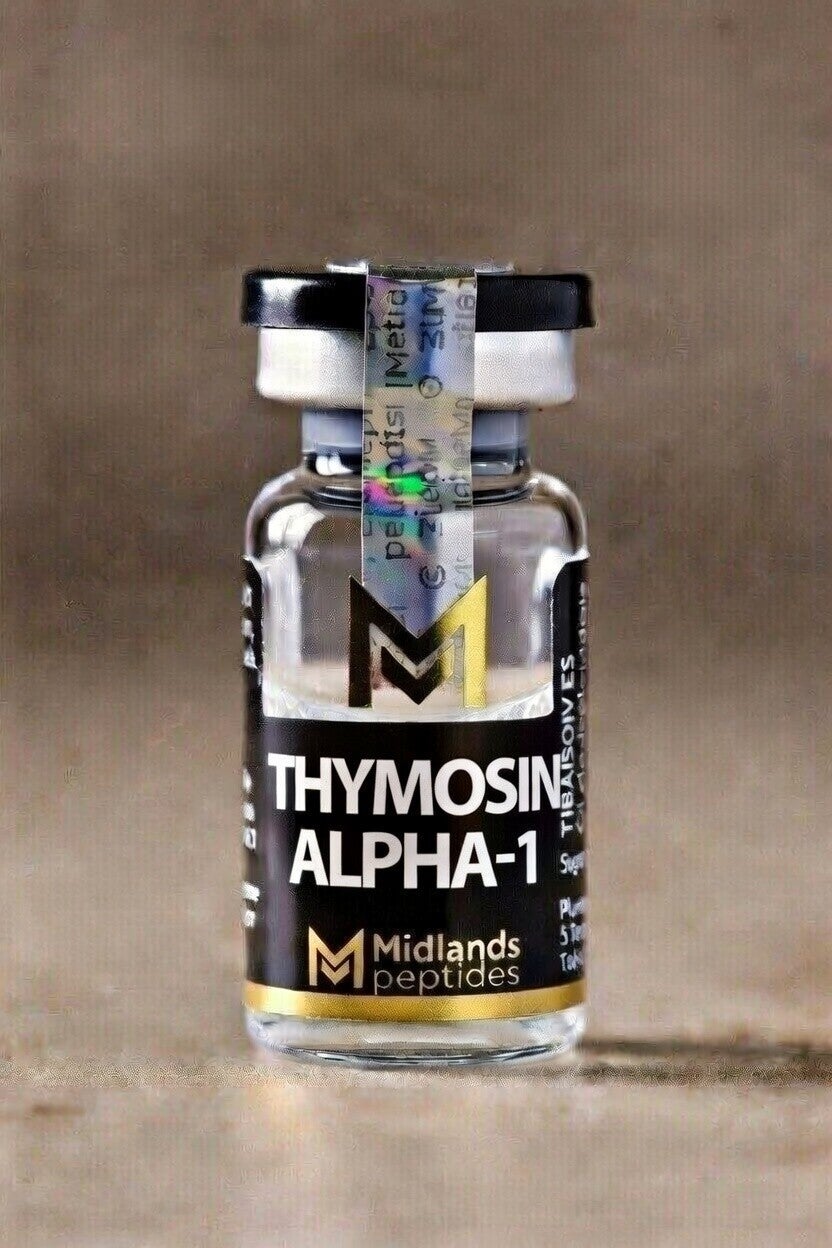
(NOT FOR HUMAN CONSUMPTION RESEARCH USE ONLY)
Thymosin Alpha 1
known by the brand name Zadaxin (thymalfasin), is a naturally occurring 28-amino acid peptide hormone produced by the thymus gland that plays a fundamental role in regulating and enhancing the immune system. It is FDA-approved for specific conditions and widely used globally to manage infections and as an adjuvant therapy in cancer treatmen
Function and Mechanism
T Alpha 1 acts as a potent immunomodulator, primarily through the following pathways:
- T-cell Maturation: It promotes the differentiation and maturation of T-lymphocytes (T-cells) in the thymus, which are critical components of the adaptive immune system.
- Immune Cell Activation: It activates natural killer (NK) cells, dendritic cells (DCs), and macrophages, which form the body's first line of defense (innate immunity).
- Cytokine Modulation: It influences the production of signaling molecules like interleukin-2 (IL-2) and interferon-gamma (IFN-γ), which fine-tune the immune response and help prevent excessive inflammation (cytokine storms).
- Antiviral Activity: It helps the immune system recognize and target virally infected cells by increasing the expression of MHC I markers on target cells, facilitating viral clearance.
Clinical Uses and Status
T Alpha 1 is approved and used in over 35 countries for various medical applications.
- FDA Status: It holds FDA orphan drug approval (as Zadaxin) for treating malignant melanoma, chronic active hepatitis B, and immune defects in patients with DiGeorge anomaly.
- Global Uses: It has been used clinically for decades to treat chronic viral infections (Hepatitis B and C, HIV), in cancer immunotherapy, for immune deficiencies, and to enhance vaccine efficacy in immunocompromised individuals. It has also been used as an alternative treatment for COVID-19 patients with immunodeficiency in China.
Safety and Side Effects
T Alpha 1 is generally considered safe and well-tolerated with mild, localized side effects. Common reactions include injection site discomfort, temporary fatigue, and flu-like symptoms. It is typically not recommended for patients with deliberate immunosuppression (like transplant recipients), known hypersensitivity, or during pregnancy and breastfeeding.
Disclaimer: T Alpha 1 is a prescription medication requiring professional guidance. Unregulated online versions are not subject to quality control and may be unsafe.